
Blog
Do THC Gummies Work for Chronic Pain? What Australians Need to Know

May
Can THC Edibles Help With Chronic Pain?
Living with chronic pain can be exhausting, affecting everything from work to sleep and daily joy. Many Australians aged 30–60 exploring wellness options wonder: can THC edibles for chronic pain provide real relief? Especially for those who prefer not to smoke or vape, these discreet, long-lasting options are gaining attention.
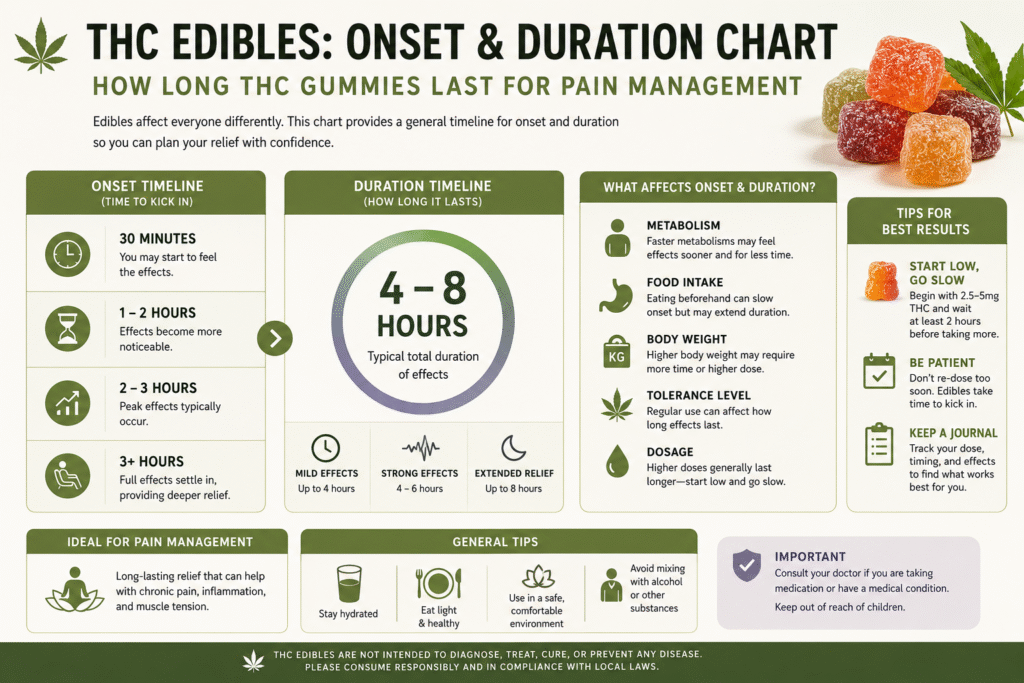
THC (tetrahydrocannabinol) interacts with the body’s endocannabinoid system, which regulates pain, mood, and inflammation. Edibles deliver effects through digestion, offering slower onset but extended duration—often 4–8 hours or more—ideal for nighttime use and sustained relief.
What Are THC Edibles and How Do They Work?
THC edibles include gummies, chocolates, and capsules infused with THC. Unlike inhaled cannabis, they are processed by the liver, converting THC into 11-hydroxy-THC, which can produce stronger, longer-lasting effects.
Studies suggest oral THC products may offer modest pain reduction, particularly for neuropathic pain. A review found small improvements in pain scores with THC-dominant options. THC edibles for chronic pain
Evidence on THC Edibles for Chronic Pain
Research shows mixed but promising results. Some studies report THC helps reduce pain intensity in conditions like fibromyalgia, arthritis, and nerve damage. Patients often note better sleep and mood alongside pain relief.
In Australia, medicinal cannabis (including edibles via prescription) is used for chronic non-cancer pain. TGA guidance acknowledges potential benefits, though evidence varies by individual.
Long-lasting effects make edibles popular for evening routines, helping with muscle spasms, stress, and insomnia common in chronic pain. studies on cannabinoids for neuropathic pain
Why Choose Edibles Over Smoking or Vaping?
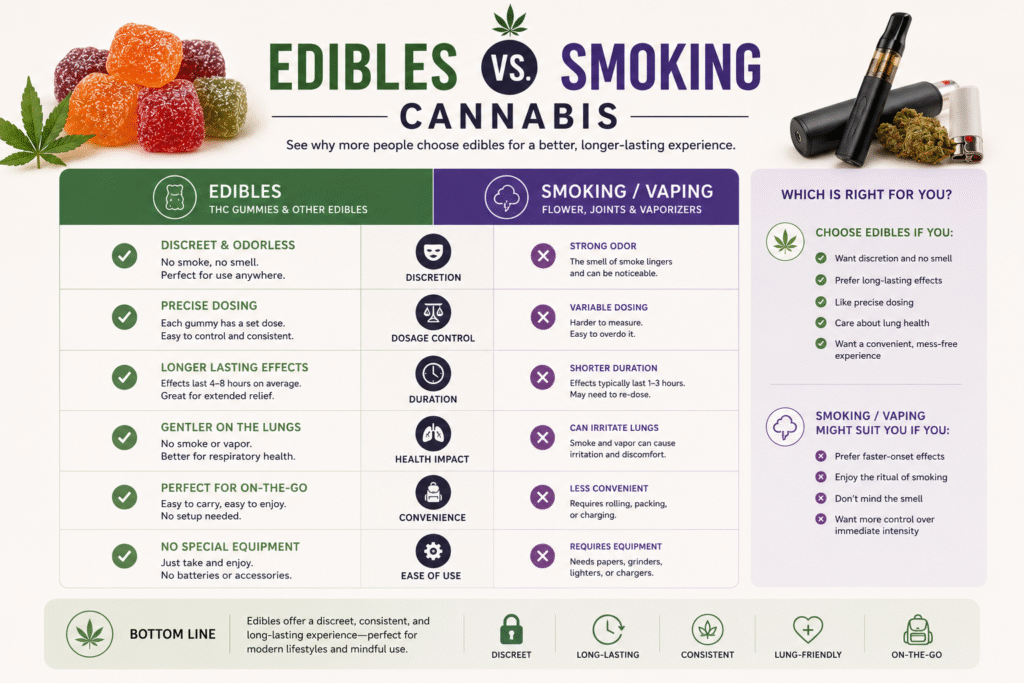
For working professionals and first-time users wanting discreet consumption, edibles shine. No odor, precise dosing, and prolonged relief suit busy lifestyles. They avoid lung irritation while delivering calming, recreational-style effects in stronger gummies. THC edibles for chronic pain
THC Edibles in Australia: Legal Access
In Australia, THC edibles require a medical prescription through the TGA’s Special Access Scheme. Consult a doctor experienced in medicinal cannabis for personalized options like Ultra Strength THC Gummies or sleep formulations.
Potential Benefits Beyond Pain
Many users report relief from anxiety, PTSD symptoms, nausea, and better overall relaxation. High-potency edibles with balanced or THC-dominant profiles support stress relief and sleep. THC edibles for chronic pain
THC edibles for chronic pain – Safety, Side Effects, and Responsible Use
Start low and go slow—especially with high-potency products. Common side effects include drowsiness, dry mouth, or dizziness. THC edibles can interact with medications; always seek professional advice. They suit wellness-oriented adults seeking alternatives to traditional pain management.
How to Get Started
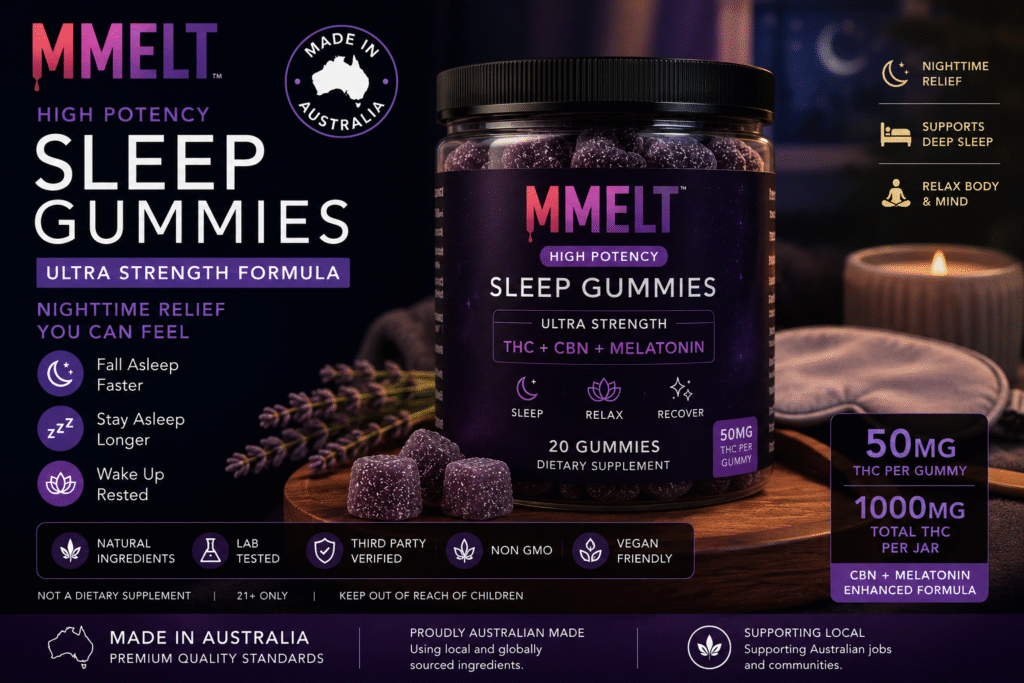
Choose reputable, lab-tested products. Nighttime THC gummies or calming edibles work well for evening use. Track effects and adjust under medical guidance.
THC edibles for chronic pain – Conclusion: THC edibles offer a promising option for chronic pain management with their long-lasting effects and discreet nature. While not a cure-all, many find meaningful relief when used responsibly as part of a holistic approach. Consult your healthcare provider to see if they fit your needs.
FAQ Section
Q: Are THC edibles effective for chronic pain? A: Evidence suggests modest benefits, especially for neuropathic pain, with longer-lasting relief than other methods.
Q: Are THC gummies legal in Australia? A: Yes, with a valid medicinal cannabis prescription. Recreational use remains illegal.
Q: How long do THC edibles last for pain relief? A: Effects can last 4–12 hours, making them ideal for overnight support.
Q: What are the best THC edibles for sleep and pain? A: High-potency nighttime gummies or calming blends with THC for relaxation.
Q: Do THC edibles cause a strong high? A: They can produce stronger effects than smoking; start with low doses, particularly for first-time users.
